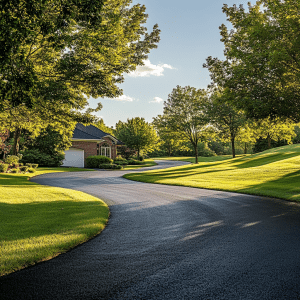
This innovative option is not just an alternative to traditional asphalt; it represents a shift towards more sustainable practices in our roads, driveways, and car parks. In this blog post, we’ll delve into the eco-friendly properties of asphalt, its recyclability, and how it contributes to environmental sustainability, making it an excellent choice for sustainable driveways.
Understanding Eco-Friendly Asphalt
Eco-friendly asphalt is designed to reduce the environmental footprint associated with traditional asphalt production and application. Unlike conventional asphalt, which primarily relies on virgin materials, eco-friendly asphalt utilises a significant amount of recycled materials, making it a more sustainable choice.
What is Eco-Friendly Asphalt Made Of?
Typically, eco-friendly asphalt is composed of a combination of recycled asphalt pavement (RAP) and other sustainable materials. RAP is created by milling existing asphalt surfaces, which can then be reused in new asphalt mixes. This process not only conserves natural resources but also reduces waste, as fewer materials are sent to landfills.
Benefits of Using Recycled Asphalt
Using recycled asphalt offers numerous benefits, including:
1. Resource Conservation: By reusing existing materials, we lessen the demand for new raw materials, which can be both costly and environmentally taxing to extract.
2. Energy Efficiency: The production of asphalt typically requires a significant amount of energy. By incorporating recycled materials, the energy needed for production is reduced, leading to lower carbon emissions.
3. Cost-Effectiveness: Eco-friendly asphalt can be more affordable in the long run, as it often uses less expensive recycled materials, leading to lower overall project costs.
4. Enhanced Performance: Surprisingly, eco-friendly asphalt can perform just as well, if not better, than traditional asphalt. The inclusion of recycled materials can enhance the durability and longevity of the pavement.
The Environmental Impact of Asphalt Production
Understanding the environmental implications of asphalt production is vital. Traditional asphalt production releases greenhouse gases and can contribute to air pollution. In contrast, eco-friendly asphalt significantly mitigates these issues.
Lower Carbon Footprint
One of the most significant advantages of eco-friendly asphalt is its reduced carbon footprint. The use of recycled materials not only minimises the extraction of new resources but also lowers the energy consumption associated with production. This results in fewer emissions, contributing positively to climate change mitigation efforts.
Water Conservation
Producing traditional asphalt can consume a considerable amount of water, particularly in the extraction and processing stages. In contrast, eco-friendly asphalt production often requires less water, thus conserving this vital resource.
How Eco-Friendly Asphalt Contributes to Sustainable Driveways
Choosing eco-friendly asphalt for your driveway is an excellent way to contribute to environmental sustainability. Here’s how:
Durability and Longevity
Eco-friendly asphalt can outperform traditional asphalt in terms of durability. A well-installed eco-friendly driveway can last for decades, reducing the need for frequent repairs or replacements. This longevity not only saves money but also conserves resources over time.
Reduced Heat Island Effect
Many urban areas suffer from the “heat island effect,” where urban surfaces, like asphalt, absorb and retain heat, raising local temperatures. Eco-friendly asphalt can be designed with reflective properties, helping to mitigate this effect and create a cooler urban environment.
Easy Maintenance
Maintaining an eco-friendly asphalt driveway is similar to traditional options, but with added benefits. Regular maintenance can prolong its lifespan, and many eco-friendly products are available that further minimise environmental impact. This includes sealants that are low in volatile organic compounds (VOCs) and other harmful chemicals.
Choosing the Right Eco-Friendly Asphalt Product
When selecting an eco-friendly asphalt for your sustainable driveway, consider the following:
Look for Certifications
Not all asphalt products are created equal. Look for ones that have been certified as eco-friendly or sustainable. This might include certifications from recognised environmental organisations or adherence to specific standards for recycled content.
Consult with Professionals
Before making a choice, consult with professionals who specialise in asphalt driveways. They can provide insights on the best options for your specific needs and local climate conditions. If you’re looking for expert advice, check out our services to find the right solution for your project.
Consider Local Suppliers
Choosing a local supplier for your eco-friendly asphalt can also reduce the carbon footprint associated with transportation. Supporting local businesses not only strengthens your community but can also lead to better service and faster project completion.
Case Studies: Eco-Friendly Asphalt in Action
Several regions in Australia have adopted eco-friendly asphalt in their infrastructure projects, leading to impressive results.
Brisbane’s Sustainable Initiatives
Brisbane has been a frontrunner in adopting eco-friendly materials for its roadways. The city’s commitment to sustainability is evident in its use of recycled asphalt in various road construction projects. These initiatives have not only reduced waste but also improved the overall quality and longevity of the roads.
Case Study: Eco-Friendly Driveways in Sunshine Coast
In the Sunshine Coast region, eco-friendly asphalt has been used for both residential and commercial sustainable driveways. Homeowners have reported satisfaction with the durability and appearance of their driveways, while businesses appreciate the cost savings associated with reduced maintenance and repairs.
Tips for Maintaining Your Eco-Friendly Asphalt Driveway
To ensure your eco-friendly asphalt driveway remains in top condition, follow these maintenance tips:
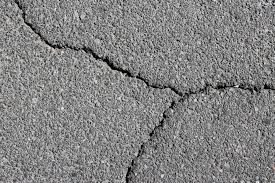
1. Regular Inspections: Check for cracks or signs of wear regularly. Early detection can save you from more extensive repairs later.
2. Seal Coating: Consider seal coating your driveway every few years. This adds a protective layer and can extend its lifespan.
3. Proper Drainage: Ensure that your driveway has adequate drainage to prevent water pooling, which can lead to damage over time.
4. Avoid Heavy Loads: Be mindful of the weight of vehicles parked on your driveway. Excessive weight can lead to deformation and cracking.
For more detailed maintenance advice, explore our guide on maintaining your asphalt driveway.
Conclusion
In conclusion, choosing eco-friendly asphalt for your driveway is not just a trend; it’s a commitment to sustainability and environmental stewardship. By opting for recycled materials, you contribute to resource conservation, energy efficiency, and a healthier planet. With its durability, low maintenance, and positive environmental impact, eco-friendly asphalt is an excellent choice for homeowners looking to create sustainable driveways.
If you’re ready to make the switch to an eco-friendly solution for your driveway, contact us for a quote today! Explore our services to see how we can help you build a sustainable driveway that aligns with your values and needs.